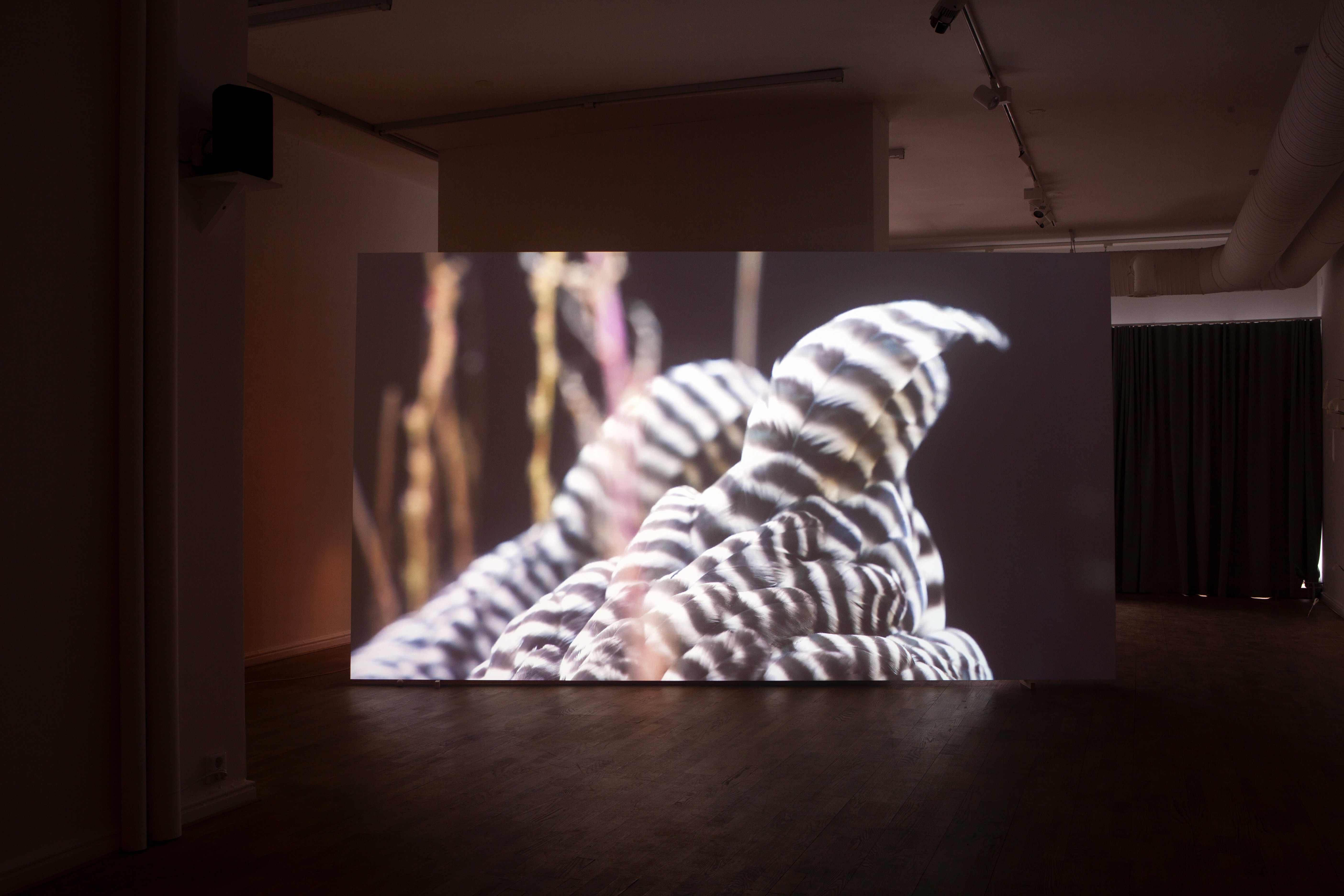
A bug is a general name we give to tiny invertebrates; some are insects, some are not.
Info
A bug is also a problem in computer programs. In fact, the term “bug” originated from a real bug. In 1947, engineers working on the Mark II Aiken Relay Calculator, an early computer at Harvard University, found a moth lodged in the machine’s hardware, causing a technical malfunction.
A bark beetle is a type of bug. They have become an ecological problem in spruce forests across Europe. The bug drills into tree bark, digging tunnels in the trunks. These tunnels cut off the tree’s vascular tissue. With their water and nutrient supply severed, the trees soon face imminent death. Normally, spruce trees secrete resin to fill the holes, blocking bark beetles from further infestation. However, due to a warmer and drier climate—a result of climate change—the tree’s natural defense mechanism is weakened. Warmer weather also accelerates the bug’s reproduction, exacerbating the infestation.
The bug remains a problem in remote sensing, the discipline focused on planetary observation through the analysis of data collected by sensors and other remotely-deployed devices. Remote sensing researchers employ a myriad of tools, from drones to satellites, to monitor the Earth’s surface. By sifting through spectral bands and triangulating on-site observations with captured data, they make educated predictions about the health of forests. However, bark beetles are small. They do not register directly on land satellites, which have a resolution of 10x10 meters or more. The infestation can only be observed indirectly when remote sensing devices detect the yellowing of the tree crown. By then, it is too late—the infected tree is dying.
In the age of super-resolution cameras, lightweight drones, and satellites filling Earth’s orbit, one might think that nothing can hide from the planetary networked sensorium—that everything is visible. But in fact, a tree is lost in a pixel, and a bark beetle is hiding in plain sight. Every technology has its own affordances. No matter how advanced, there is always a resolution limit, a threshold of visibility. By seeing everything from afar, one cannot see the details up close. There is always a trade-off of visibility inherent to any viewing apparatus; by seeing one aspect of the world, we are blind to another. There is no all-seeing machine. There is always a bug in the hardware.
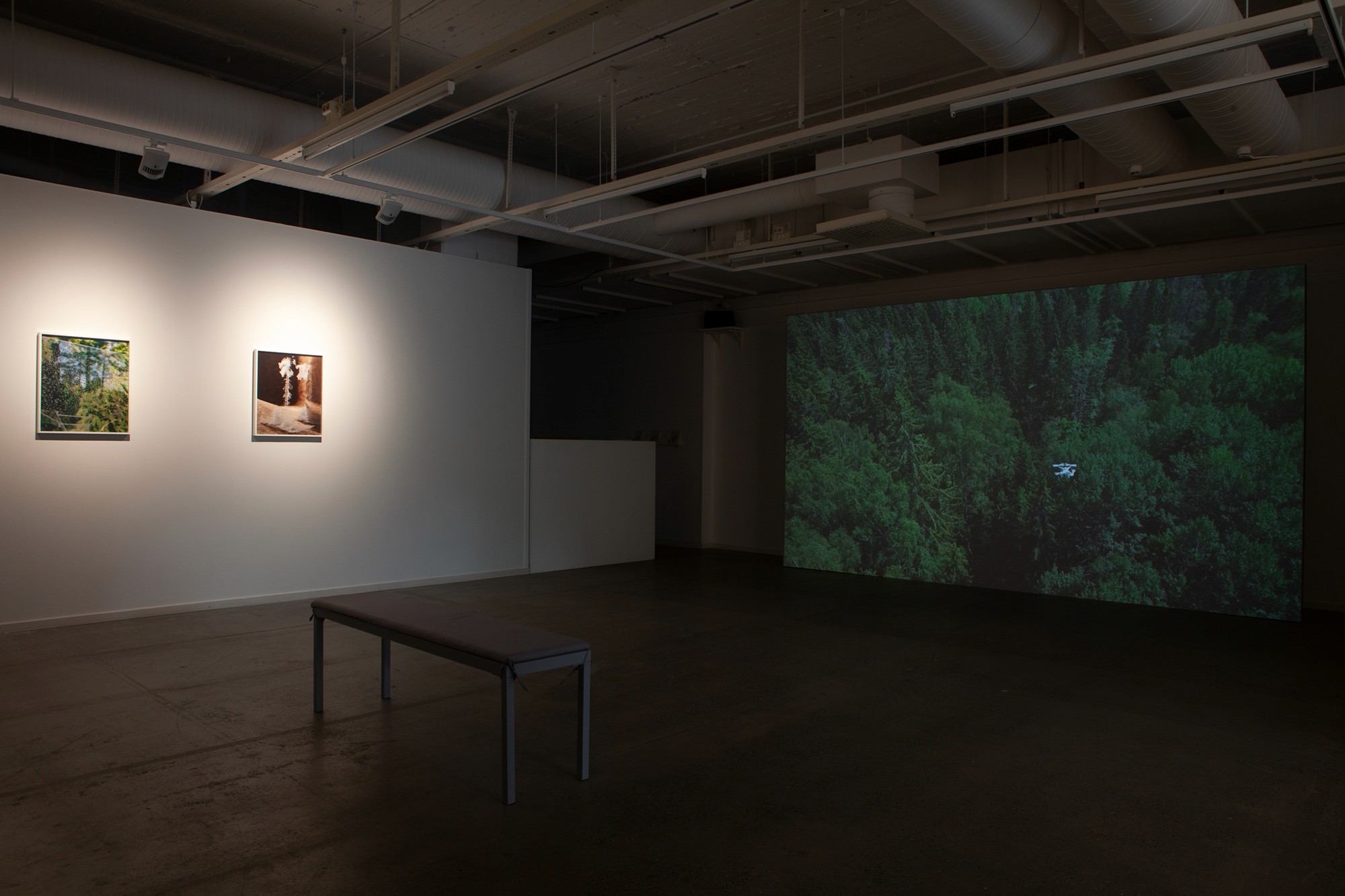
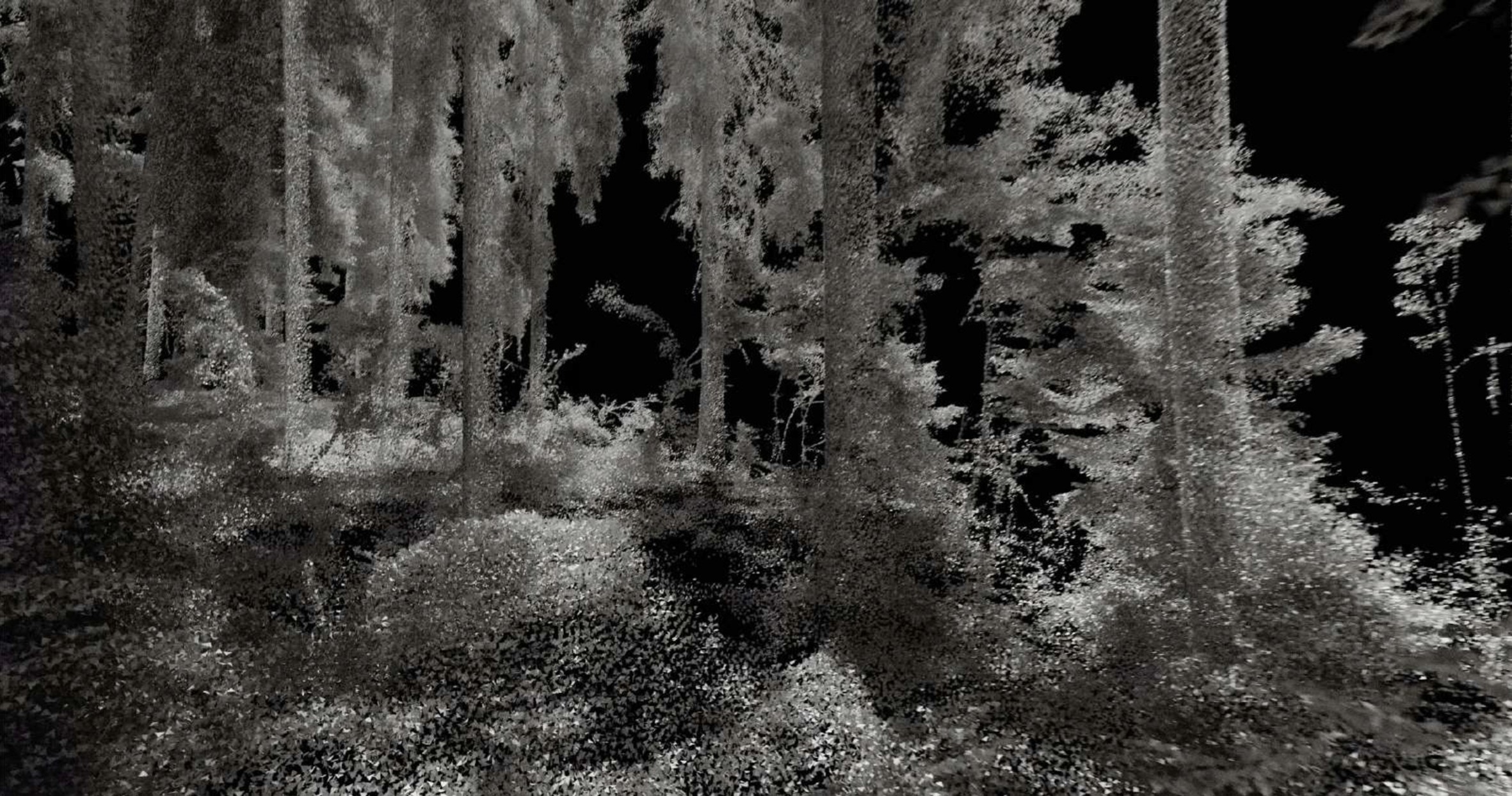
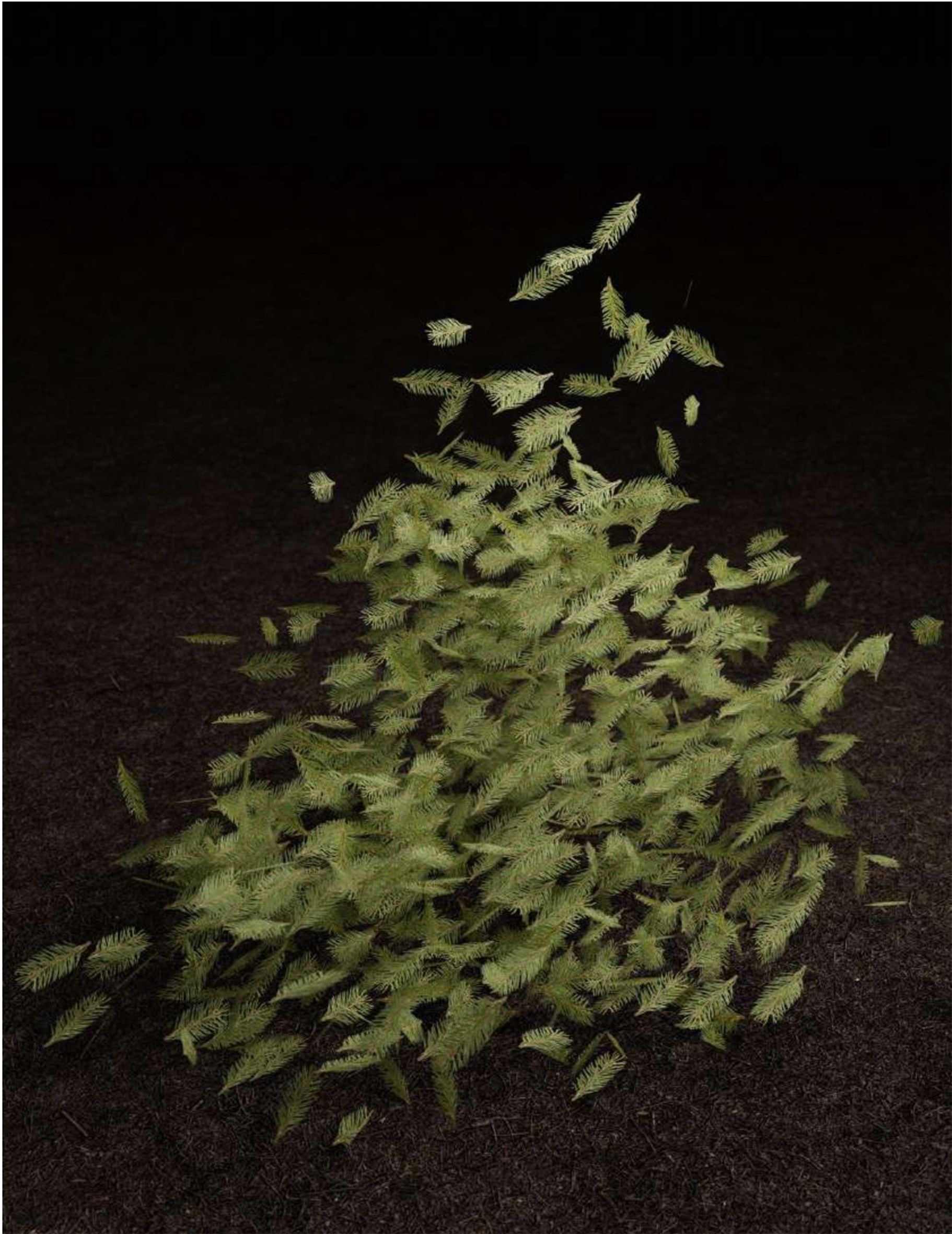
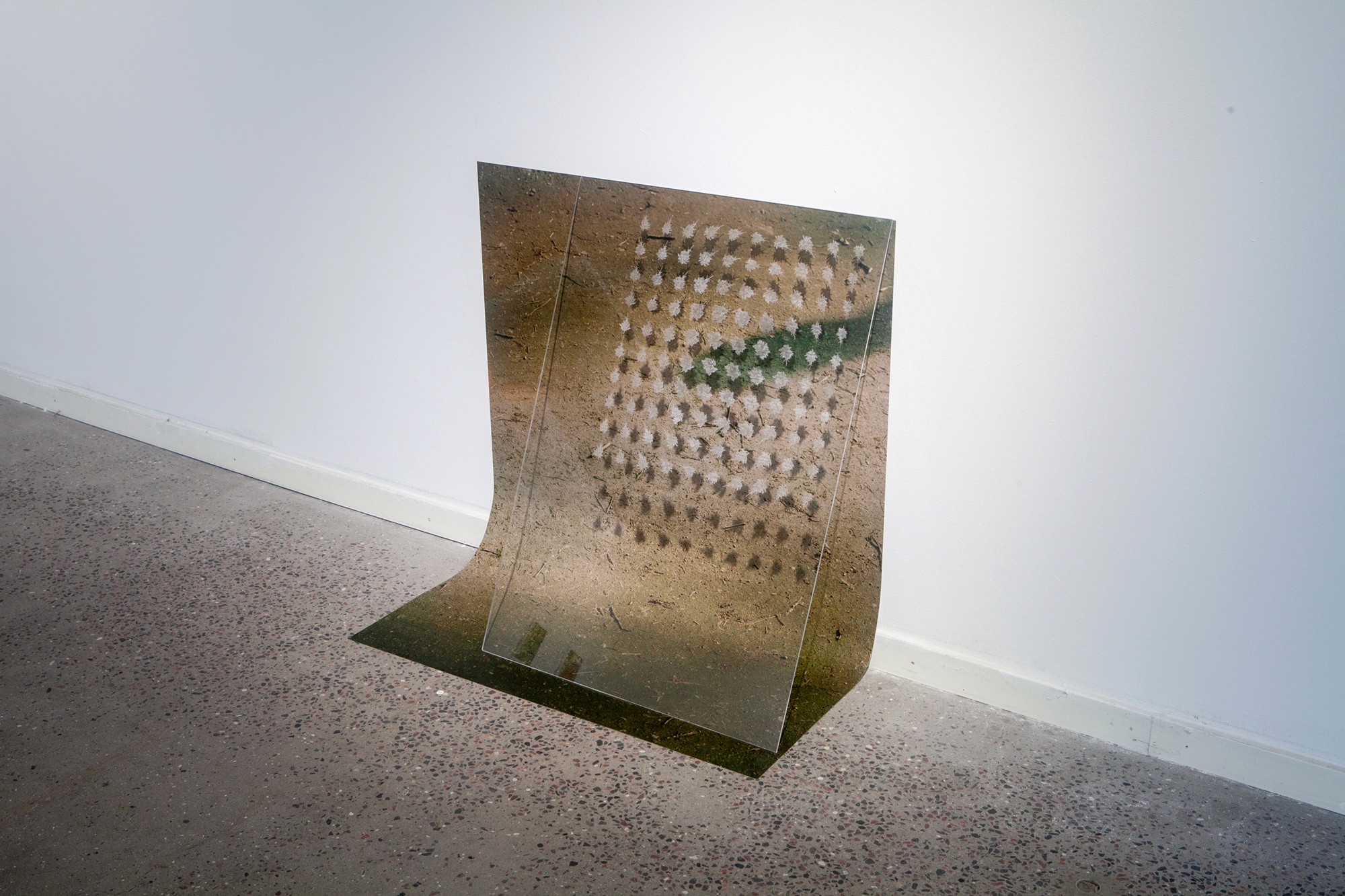
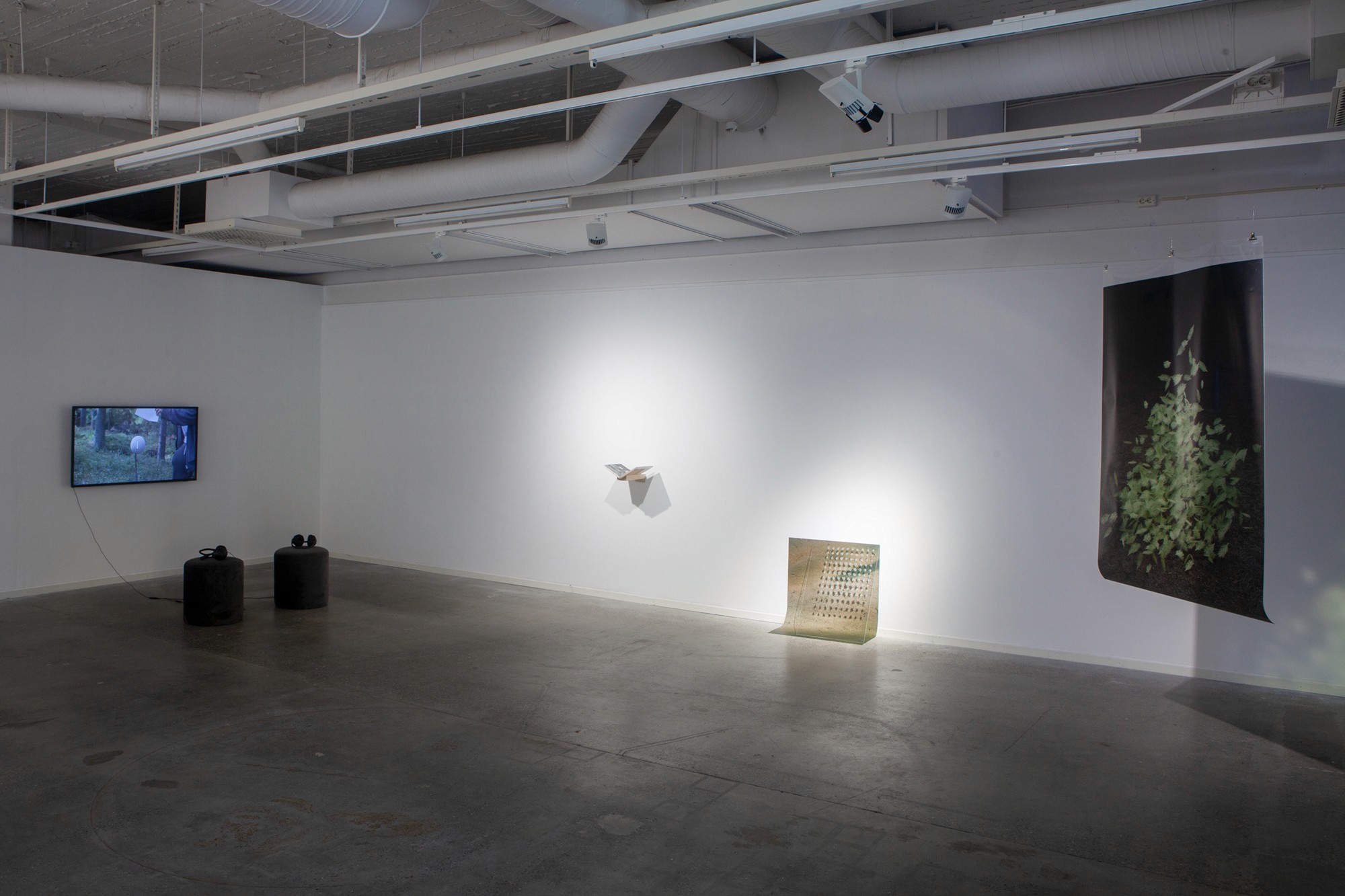
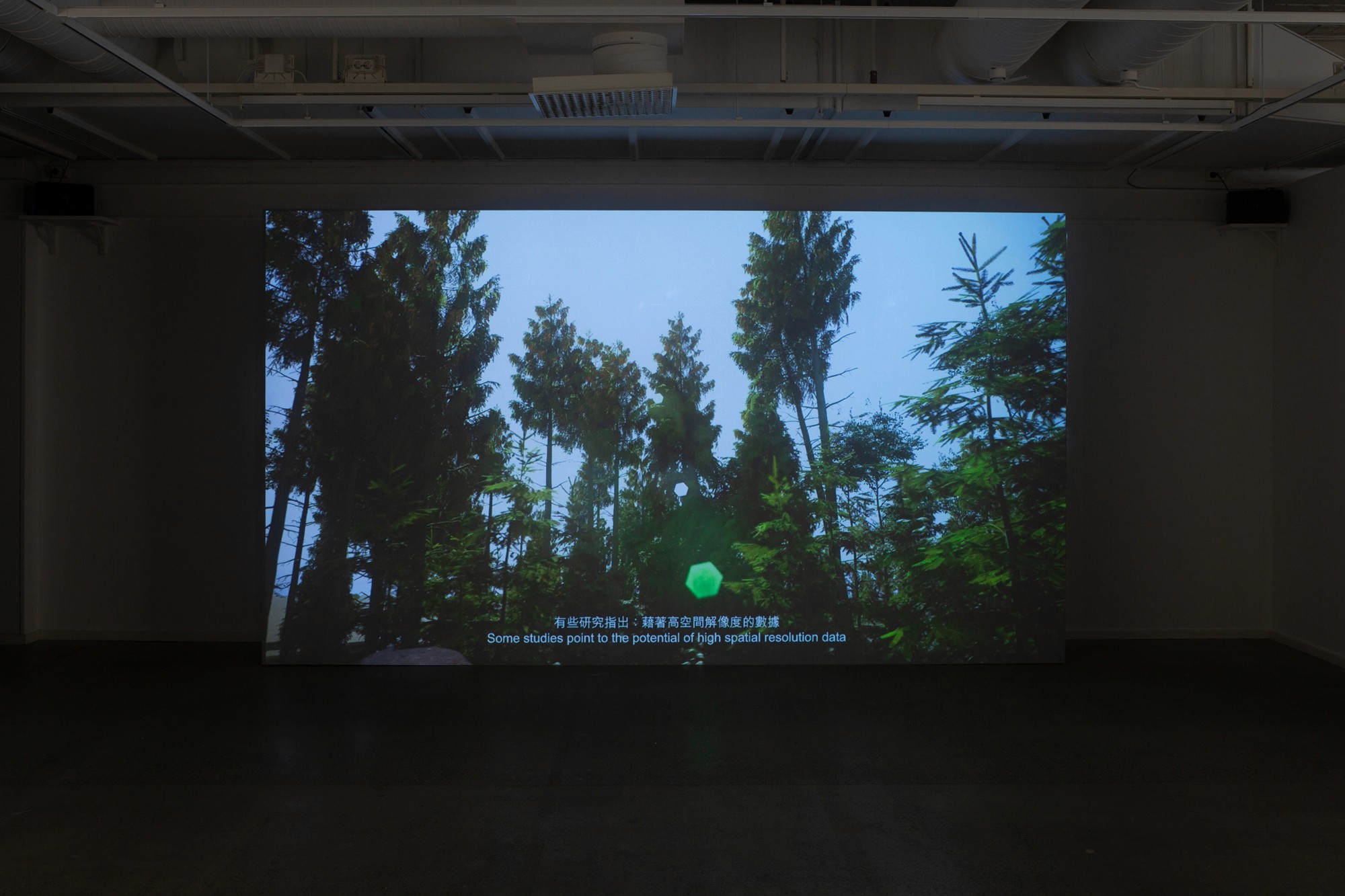
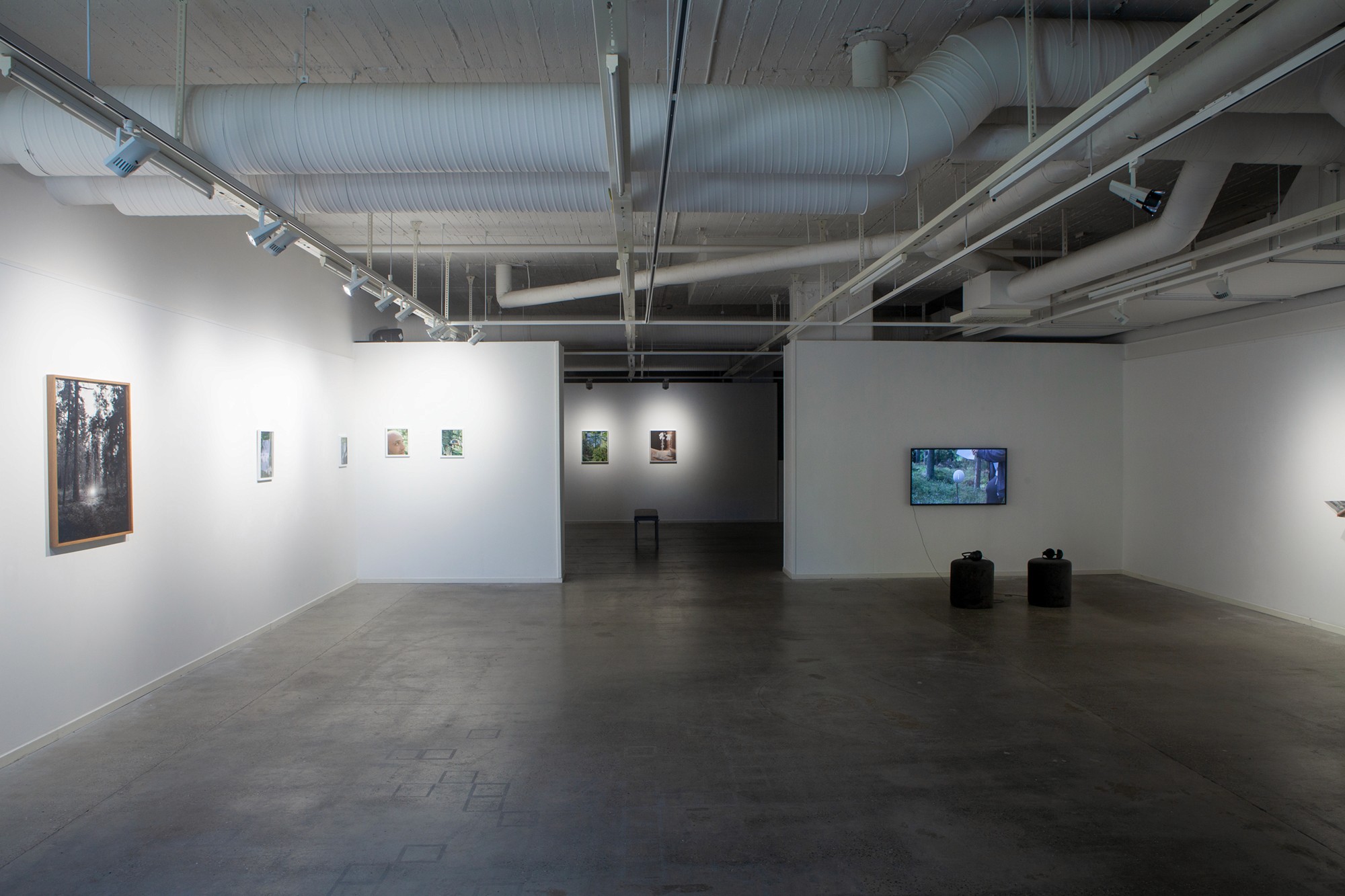
Between Two Trees, There Are Many Worlds explores how ecological changes are observed at different scales— at the human and the planetary scales—in remote sensing of the forest. Taking two trees, a surviving tree and a dead infested tree, in the central forest in Helsinki as a starting point, the project explores hyperspectral imaging and posthuman sensing of the natural environments in the context of the ongoing bark beetle infestation in Northern Europe. Inspired by James Gibson’s notion of environmental affordances and biologist and cybernetician Jakob von Uexküll’s observation of how a tick’s sensory abilities create its own world, the project compares the optical scientific measurements of the forest with the chemical sensing of the living creatures in the woods. Capturing the forest using hyperspectral imaging and laser scanning, I transform the data into different visual forms, combined with writings on algorithmic models of seeing and the a-visible complex sensory worlds in the forest. The resulting work is a video essay that challenges the human-centric understanding of natural landscapes.
Credit